
How Fragrance Longevity Works: Understanding Top, Heart, and Base Notes
October 14, 2026
Every great perfume is a journey through time. From the first spritz to the final lingering trace hours later, a well-crafted fragrance evolves through distinct phases, each revealing different aspects of its character. Understanding how top, heart, and base notes work together is the key to choosing fragrances that truly resonate with you.
The Architecture of Fragrance
Perfume is structured like a piece of music, with different notes playing at different times. Top notes are the opening act — light, volatile molecules that create the first impression but evaporate quickly, typically within 15 to 30 minutes. Common top notes include citrus fruits like bergamot and lemon, light herbs like lavender, and fresh green notes. These molecules are small and volatile, which is why they reach your nose first but don't last long.
Heart notes, also called middle notes, emerge as the top notes fade. These form the core character of the fragrance and typically last for two to four hours. Floral notes like rose and jasmine, spicy notes like cinnamon and cardamom, and fruity notes like peach and apple commonly serve as heart notes. They are medium-weight molecules that provide the fragrance's main identity and emotional character.
The Foundation: Base Notes
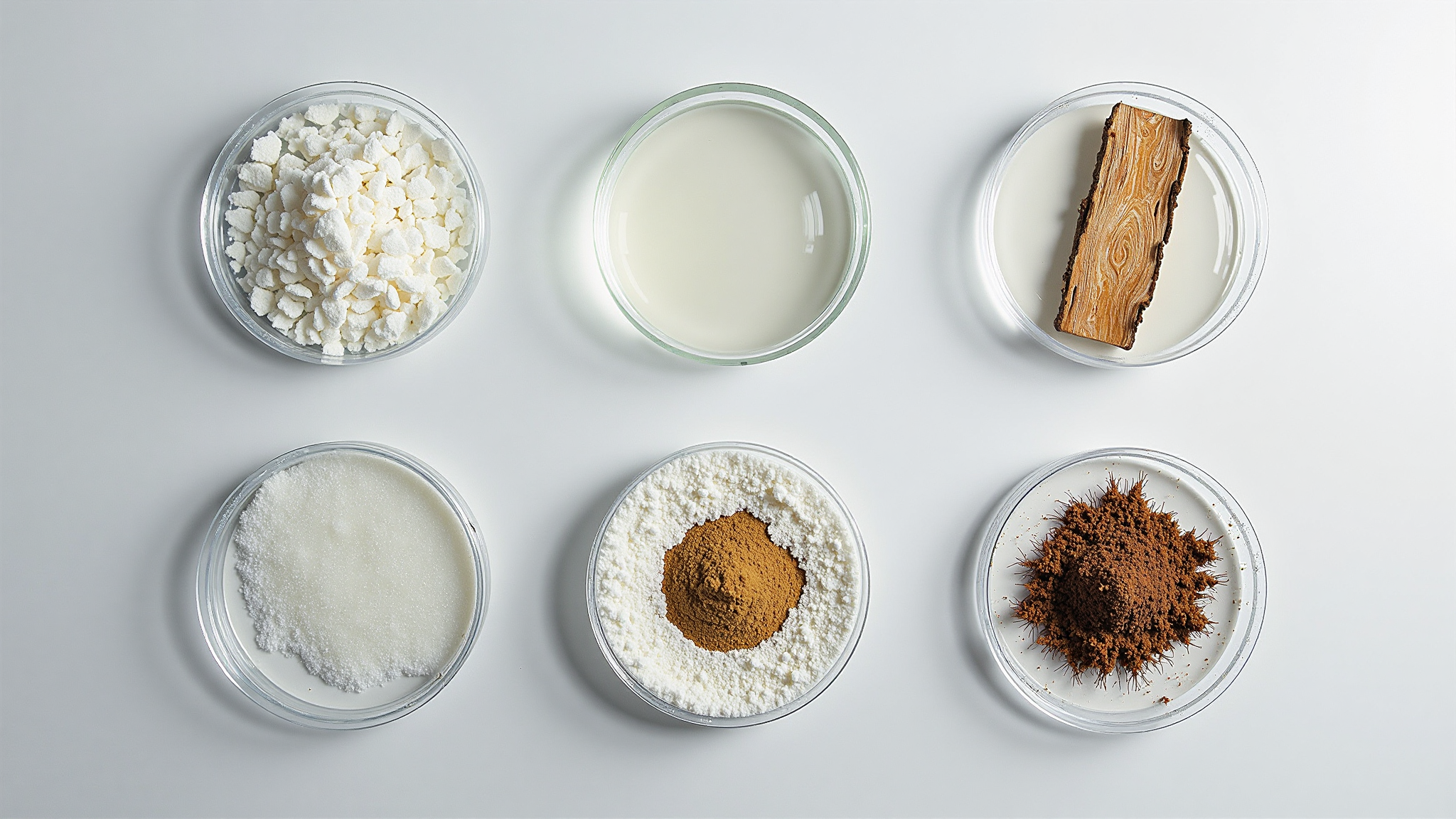
Base notes are the anchors of any fragrance. These heavy, slow-evaporating molecules can last for six to twelve hours or even longer on fabric. Ingredients like oud, sandalwood, vanilla, musk, and amber form the base, providing depth, warmth, and longevity. They also serve to fix the lighter notes, slowing their evaporation and helping the entire composition last longer on the skin.
The interaction between these three layers is what makes perfumery both a science and an art. A master perfumer must understand not only how each ingredient smells in isolation but also how it will interact with other notes over time, how it will react with different skin chemistries, and how the overall composition will evolve from the first application to the final dry-down. This is why the same fragrance can smell subtly different on different people — your skin's unique pH, temperature, and natural oils all influence how the notes develop throughout the day.